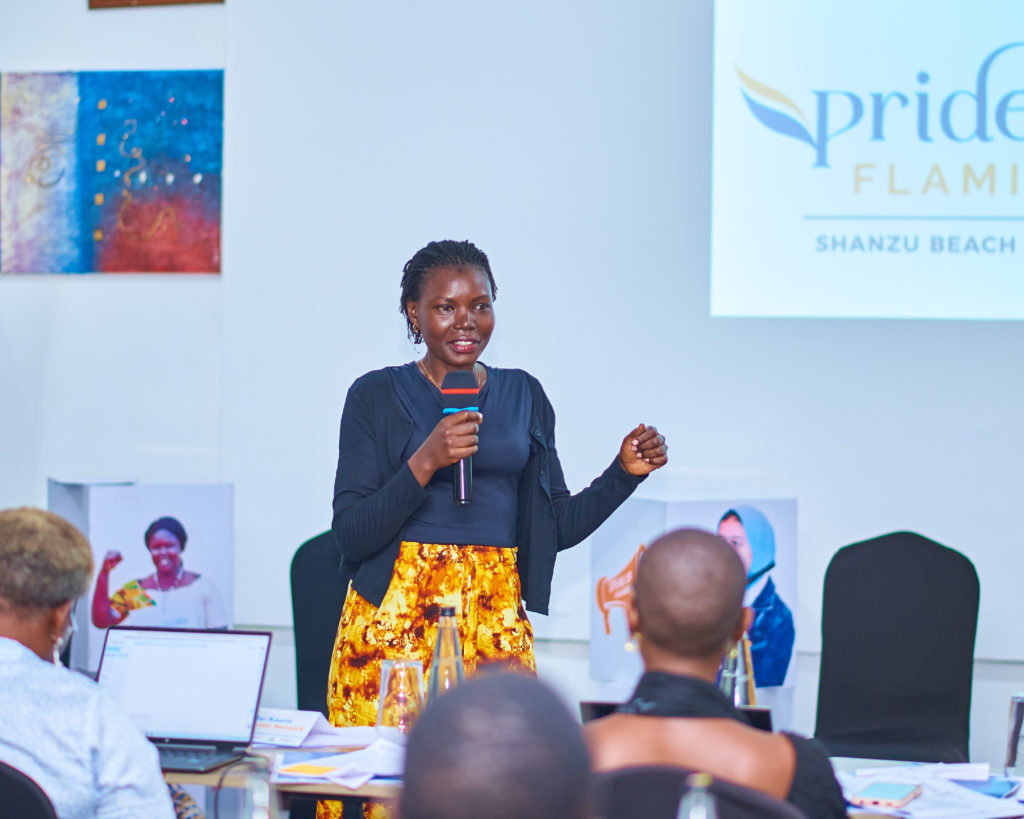
As we mark the 16 Days of Activism this year, I find myself reflecting on the journey of women and girls in South Sudan. There has been progress, strength and courage, but also barriers that still stand in the way. In my role as Project Manager for the World YWCA–YW4A programme, I have had the opportunity to represent young women at national, regional and international platforms, where their voices are increasingly being heard. These experiences continue to show me that when women have space and support, they lead with clarity and impact.
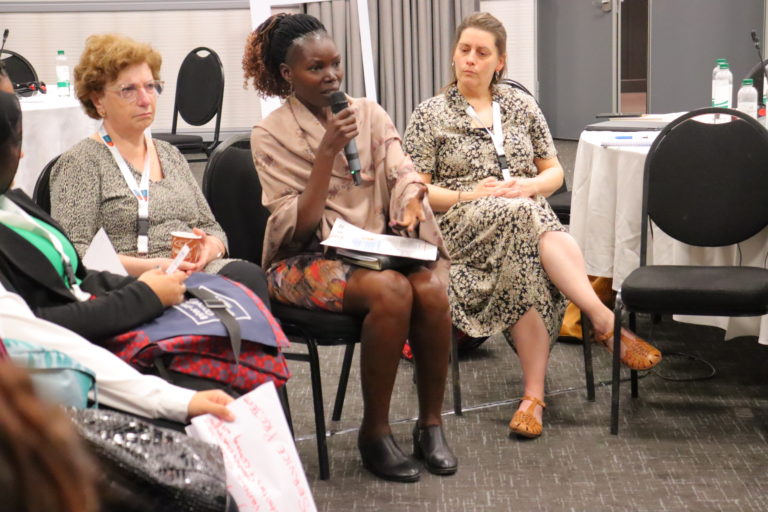
Recently, I participated in the 14th World Conference on “Protecting the Integrity of the Refugee and Migration Systems” organised by the International Association of Refugee and Migration Judges (IARMJ) and partners. For me, the discussions were not about the safety and rights of refugees alone, as a South Sudanese woman and the rest, it’s something else for us. In a side event hosted by Equality Now, I joined discussions with high-profile media personnel and women’s rights activists who shared their experiences working in human rights spaces and the challenges they face. What stood out clearly is that media plays a critical role in shaping the conversation on women’s rights.
Unfortunately, in South Sudan, media and social media are also being used as tools to tear women down. I have witnessed how some online users attack and abuse women in leadership, speaking as if the opportunities women have were given to them on a silver platter. This is not true. South Sudanese women have worked hard to achieve their current status. They have broken barriers, survived discrimination, and proven their capabilities. They deserve recognition, not bullying.
This kind of digital violence does not only harm women personally it silences many girls who dream to lead but fear being humiliated online.
That is why I welcome the progress of the Cybercrime Bill, now moving toward its final stage of becoming law. Women and girls need this protection so they can safely share their opinions, lead movements, and participate in nation-building without fear of digital attacks. Women have every right to lead and participate without discrimination, harassment, or judgment, both offline and online.
As we observe the 16 Days of Activism, my message is simple and strong:
Let us end digital violence.
Let social media be a platform that uplifts women, not a weapon used to demean them.
Support women. Celebrate women. Protect women.
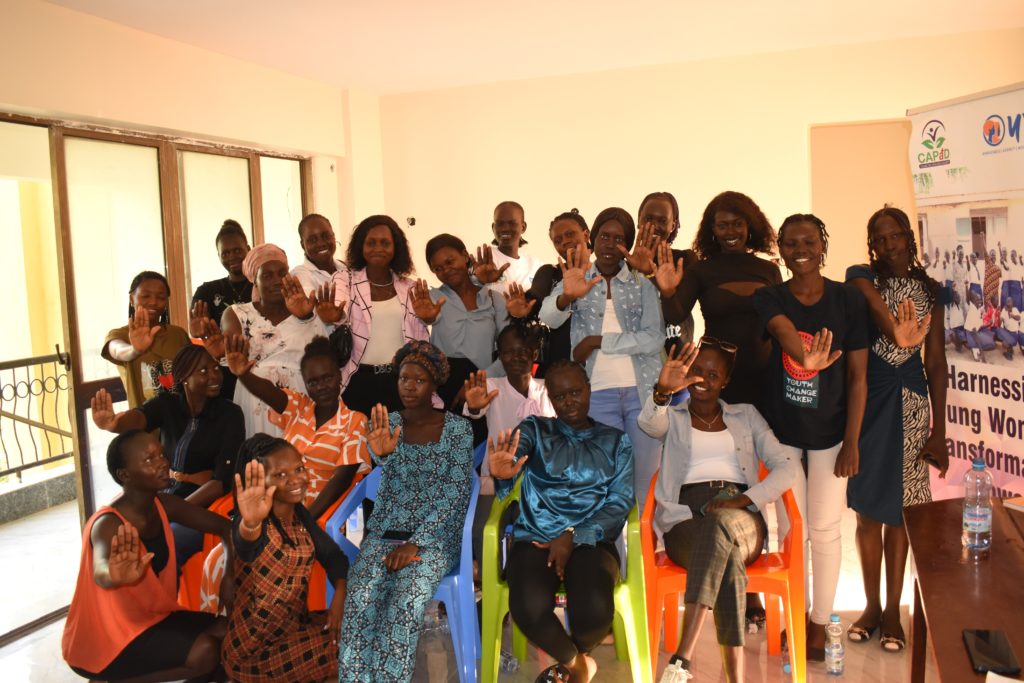
This campaign is not only for women it requires men, community leaders, faith leaders, media, young people, and government to stand together to make every space safe. When women rise, communities rise. When women lead, nations move forward.
Let us orange the world online and offline until every woman and girl is safe.
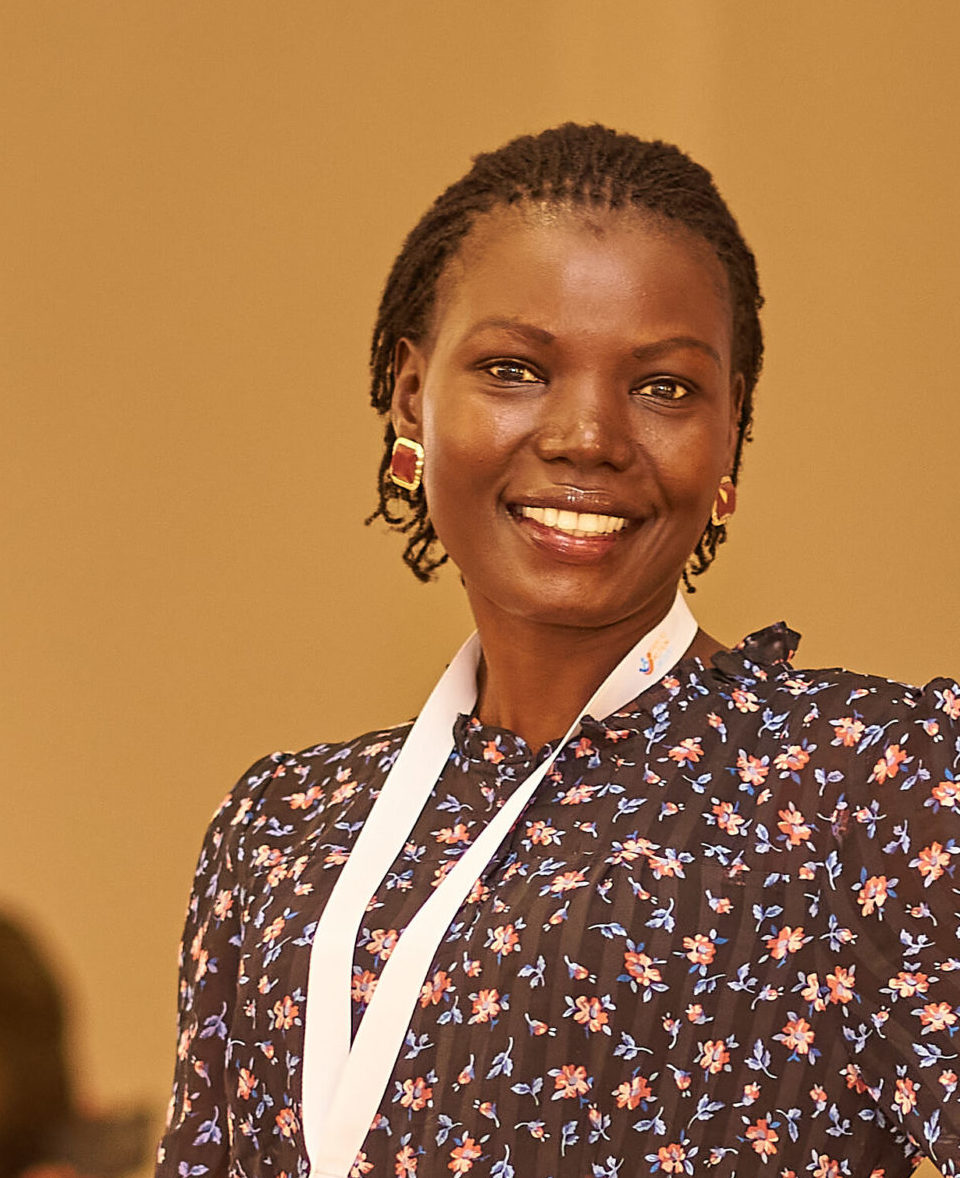
Written by Beina Eveline Alex Ruben – World YWCA YW4A South Sudan Project Manager.
Beina works with young women and decision-makers to advance rights, leadership and protection from gender-based violence. Through convening young women, engaging at national and international forums, and supporting advocacy and policy processes, she champions safe and inclusive spaces that enable women to lead, participate and influence change.
This article is part of the YW4A Technical Point of View (PoV) series, a collection of technical analytical and strategy reflection articles from YW4A programme staff, consultants, advocates, and allies with expertise in various aspects of programming that facilitate young women’s leadership and contribute to the elimination of SGBV.